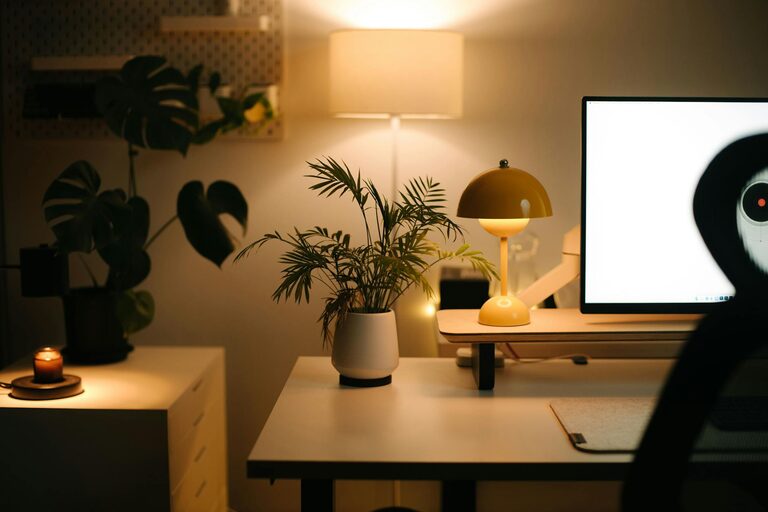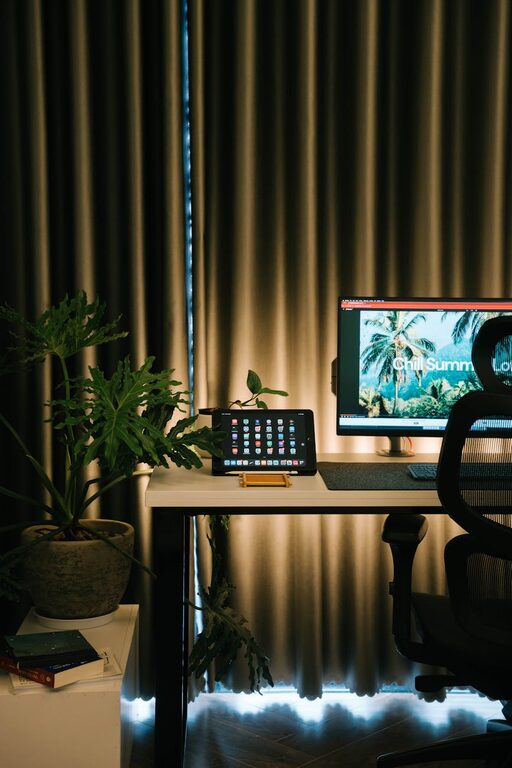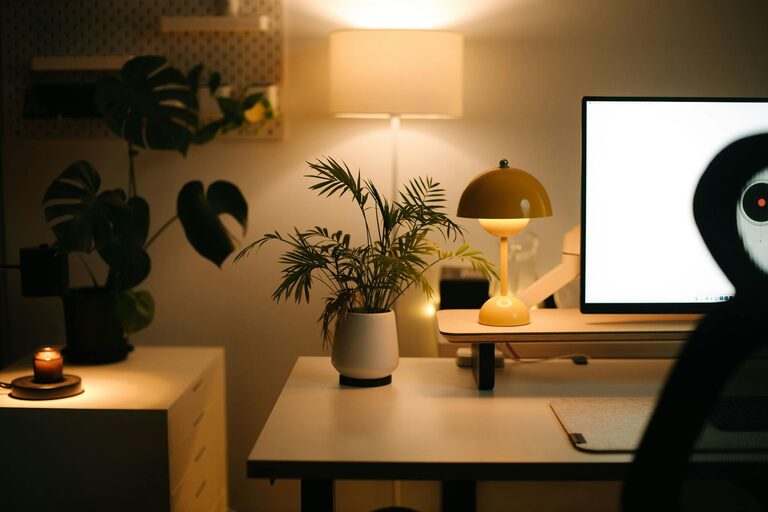
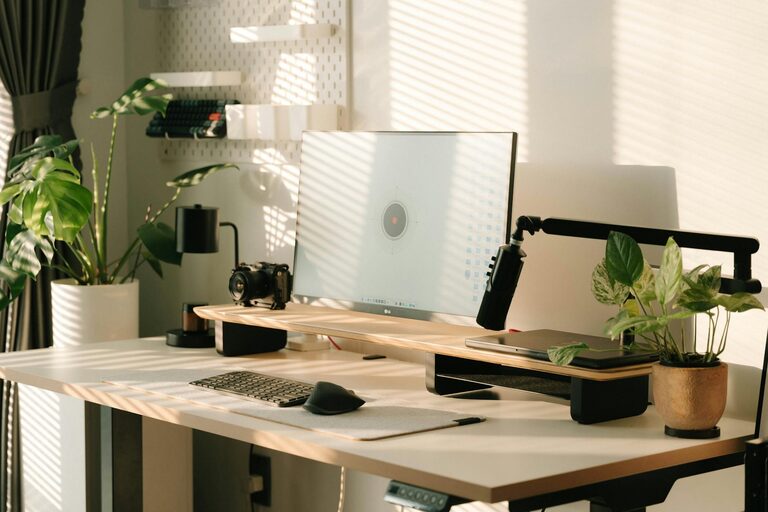
Creating a productive home office environment is essential for anyone working remotely or running a business from home. A well-designed workspace can help increase focus, reduce distractions, and improve overall work satisfaction. Whether you have a dedicated room, a small corner, or just a desk space, there are simple steps you can take to make your home office more efficient and comfortable.
Choose the Right Location
Finding the best spot for your home office is the first step. Ideally, select a space that is quiet, has natural light, and is separate from high-traffic areas in your home. This separation helps create a mental distinction between work and personal life.
– If possible, use a spare room or a corner that can be dedicated solely to work.
– Avoid places prone to distractions, like near the television or kitchen.
– Ensure your workspace has good ventilation and temperature control to stay comfortable.
Invest in Comfortable and Functional Furniture
Comfort is key when spending long hours at your desk. Choosing the right furniture supports your posture and reduces fatigue.
– Use an ergonomic chair with adjustable height and lumbar support.
– Pick a desk with enough surface area to hold your computer, documents, and any other essentials.
– Consider adjustable desks that allow for both sitting and standing positions.
– Keep frequently used items within reach to minimize unnecessary movement.
Optimize Lighting
Lighting can greatly affect your mood and productivity. Natural light is best whenever possible, but it’s important to supplement it with appropriate artificial lighting.
– Position your desk near a window to take advantage of daylight.
– Use adjustable desk lamps to reduce eye strain during evening work or gloomy days.
– Avoid glare on your computer screen by positioning monitors perpendicular to windows.
Organize and Declutter
A tidy workspace helps clear your mind and keeps you focused. Establishing organization systems reduces the time spent searching for materials.
– Use drawer organizers, trays, or shelves to keep supplies sorted.
– Incorporate filing systems for important documents, both physical and digital.
– Declutter regularly by removing items that are no longer needed.
– Limit personal items to a few meaningful objects to maintain a clean environment.
Minimize Distractions
Distractions at home can interrupt your workflow. Implement strategies to help maintain focus throughout your workday.
– Set boundaries with family members or roommates about your work hours.
– Use noise-canceling headphones or play background music to block out ambient noise.
– Turn off notifications on your phone or computer during focused work sessions.
– Consider apps or techniques like the Pomodoro Technique to manage time effectively.
Personalize Your Space
Adding personal touches can make your home office feel inviting and motivate you to spend productive time there.
– Decorate with plants, which can improve air quality and add a calming effect.
– Hang artwork or photos that inspire you.
– Choose colors that promote concentration and calmness, such as blues or greens.
– Use a comfortable rug or cushions for added warmth and texture.
Use Technology Wisely
Having the right technology tools helps streamline your workflow and keeps you connected.
– Invest in a reliable computer, high-speed internet, and necessary peripherals like printers or scanners.
– Use cloud storage to back up work and access files from anywhere.
– Familiarize yourself with productivity software and communication tools.
– Keep cables organized to reduce clutter and prevent accidents.
Establish a Routine and Separate Work Time
Creating a consistent schedule helps your brain associate certain hours with focused work.
– Set regular start and end times to maintain work-life balance.
– Take planned breaks to rest your eyes and stretch your body.
– Avoid checking emails or work messages during personal time.
– Dress for work to boost your mindset, even if you remain home.
Maintain Healthy Habits
Your physical and mental wellbeing directly impact your productivity.
– Set up your workstation to promote good posture and reduce strain.
– Stay hydrated and eat balanced meals during your workday.
– Incorporate short exercises or stretches to combat sedentary habits.
– Practice mindfulness or breathing exercises to reduce stress.
Final Thoughts
Designing a productive home office environment doesn’t require a large budget or significant renovation. Small changes like improving lighting, organizing your space, and managing distractions can make a big difference in how you work and feel during the day. By investing some thought and effort into your home office setup, you can create a supportive environment that helps you stay motivated and get more done.