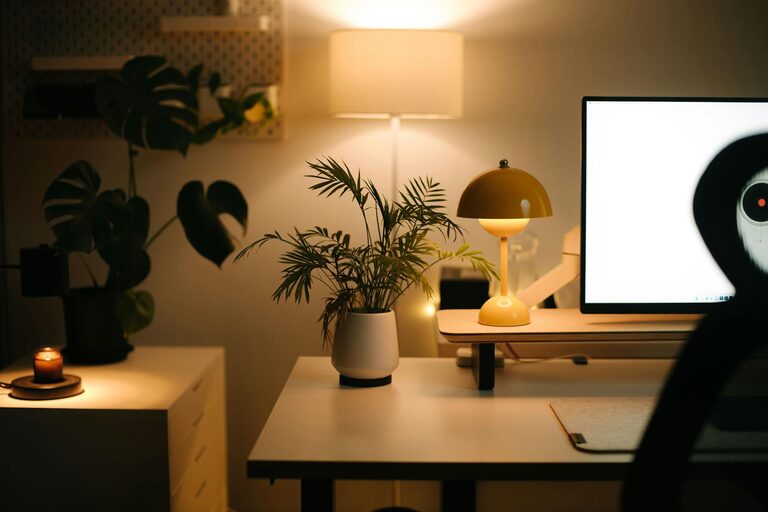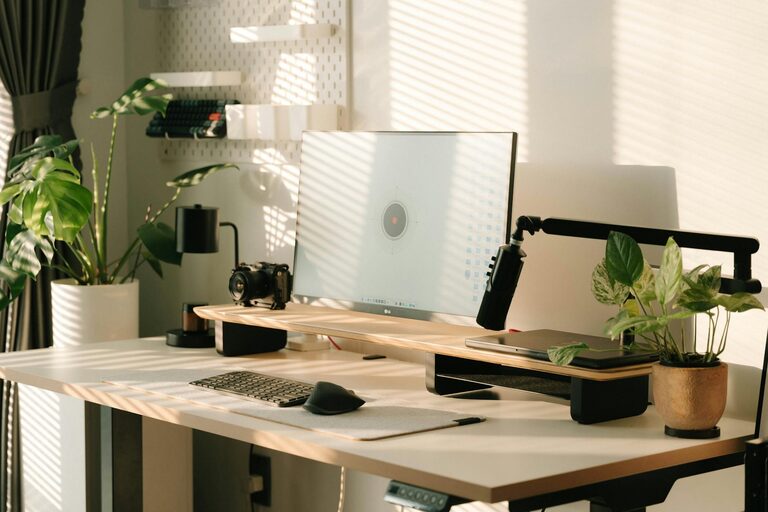
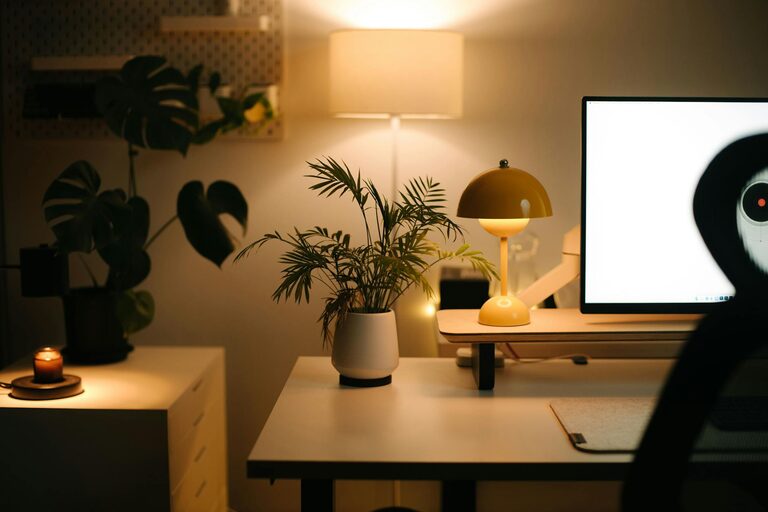
Creating a cozy and inviting home workspace can make a significant difference in your daily productivity and overall well-being. Whether you work remotely full-time or occasionally need a spot to focus, designing a space that feels both welcoming and functional can help motivate you throughout the day.
In this post, we’ll share practical tips for setting up a home office that balances comfort and efficiency. From furniture choices to lighting and organization, these ideas will help you create a space where you enjoy spending time.
Choose the Right Location
Before you start decorating, identify the best spot in your home for your workspace. Consider these factors:
– Natural light: Try to position your desk near a window for daylight. Natural light helps reduce eye strain and elevates mood.
– Quietness: Select a location with minimal noise and distractions to maintain focus.
– Space: Make sure there’s enough room for your desk, chair, and any equipment you use regularly.
If space is limited, even a small corner can be transformed into a cozy workspace with thoughtful design.
Invest in Ergonomic Furniture
Comfort is key for a home workspace where you might spend several hours each day. Ergonomic furniture can prevent discomfort and promote better posture.
– Desk: Choose a desk that fits your space and accommodates your needs—such as having enough surface area for a laptop, monitor, and writing materials.
– Chair: A supportive chair with adjustable height and good lumbar support is essential for your back health.
– Accessories: Consider a footrest, monitor stands, or ergonomic keyboards and mice to further enhance comfort.
Avoid working from your couch or bed as this can lead to poor posture and decreased productivity.
Add Cozy Textures and Warm Colors
Making your workspace cozy doesn’t have to be complicated. Small touches can instantly warm up your environment.
– Colors: Use soft, warm colors such as beige, soft blues, or muted greens to create a calming atmosphere.
– Textures: Incorporate a plush rug, cushions, or a cozy throw to add softness.
– Plants: Adding greenery not only brightens the space but also improves air quality and adds a soothing natural element.
These details help transform a functional workspace into an inviting retreat.
Lighting: Combine Functionality with Ambiance
Good lighting is both practical and mood-enhancing.
– Task lighting: Use a desk lamp with adjustable brightness to illuminate your work area without straining your eyes.
– Ambient lighting: Soft overhead or floor lamps provide warm light that makes the space feel pleasant during evening hours.
– Avoid glare: Position your computer screen perpendicular to windows to minimize sun glare.
Adjustable lighting allows you to customize the environment based on the time of day and your tasks.
Keep the Space Organized
An organized space contributes to mental clarity and reduces stress.
– Storage solutions: Use drawers, shelves, or organizers to keep documents and supplies neatly stored.
– Declutter regularly: Remove unnecessary items from your desk to maintain a clean and distraction-free workspace.
– Cable management: Use clips or sleeves to keep cords tidy and prevent clutter.
By streamlining your setup, you create a professional-looking and productive area.
Personalize Your Workspace
Adding personal touches makes the room uniquely yours and boosts motivation.
– Artwork and photos: Display pictures, inspirational quotes, or art that makes you happy.
– Favorite items: Keep meaningful objects nearby, such as a favorite coffee mug or a small decorative item.
– Inspiring scents: Consider a subtle essential oil diffuser or scented candle with calming aromas like lavender or eucalyptus (ensure safety if you’re working with electronics).
Personal elements encourage a positive mindset while working.
Incorporate Break Areas or Zones
If your space allows, create a separate zone for breaks or brainstorming.
– Comfortable chair: Add a lounge chair or small sofa where you can take short breaks to recharge.
– Whiteboard or bulletin board: Use this area for notes, ideas, or goals to keep your creativity flowing.
– Refreshments: Keep a small station with water or tea to stay hydrated without leaving your workspace.
Taking breaks in a dedicated area helps maintain focus and reduces burnout.
Maintain Good Air Quality and Temperature
Comfort involves more than just how a space looks.
– Ventilation: Open windows when possible or invest in an air purifier to keep the air fresh.
– Temperature control: Use a fan, heater, or adjust thermostat settings to ensure the room is at a comfortable temperature.
– Humidity: Consider a small humidifier during dry months to prevent dryness and irritation.
Proper air quality and temperature contribute to your comfort and concentration.
—
Final Thoughts
Creating a cozy and inviting home workspace is about balancing practicality with elements that make you feel relaxed and focused. By thoughtfully selecting your location, investing in ergonomic furniture, enhancing lighting, keeping things organized, and adding personal touches, you can design a space that supports both your work and well-being.
Remember, your workspace should evolve as your needs change. Regularly revisit your setup to make improvements that help you stay productive and comfortable every day. Happy decorating!