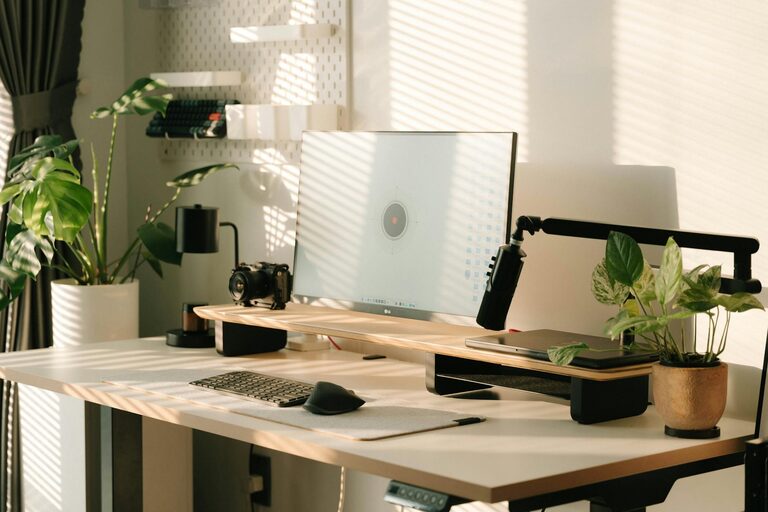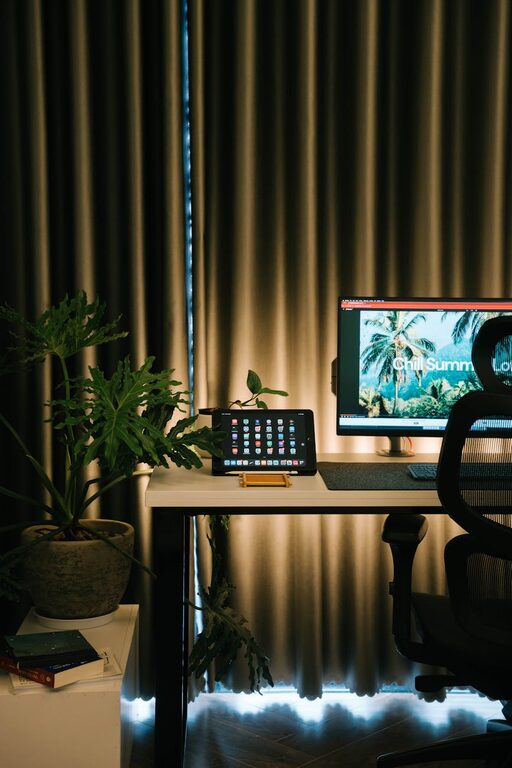
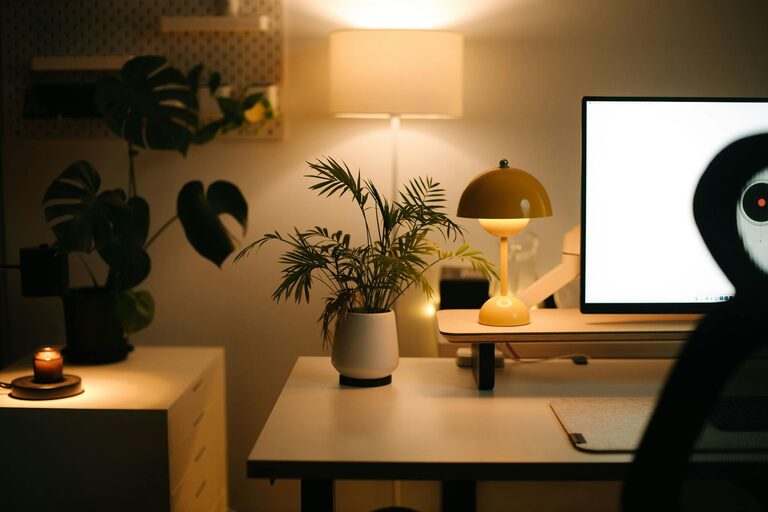
Creating a home workspace that feels both cozy and productive is essential for anyone balancing work and life at home. Whether you’re working remotely, freelancing, or just need a dedicated area for personal projects, a well-designed space can improve your focus and boost your comfort. This guide will walk you through practical tips to transform your home workspace into an inviting and efficient environment.
Why a Cozy Workspace Matters
A workspace isn’t just about a desk and chair; it’s a place where you spend hours each day. If it’s uncomfortable or uninspiring, productivity can suffer. Conversely, a space that feels cozy can:
– Reduce stress and increase wellbeing
– Encourage longer periods of focus
– Foster creativity and motivation
Balancing coziness with productivity is the key, so you feel comfortable without distractions.
Choosing the Right Spot
Selecting the ideal location in your home is the first step. Here are a few things to consider:
Natural Light
Good lighting is crucial. Try to set up near a window to take advantage of natural light. It improves mood and helps reduce eye strain. If natural light isn’t available, invest in a quality desk lamp with adjustable brightness.
Quiet and Private Space
Choose a spot away from heavy foot traffic or noisy areas. Having privacy helps minimize distractions and enables you to focus better.
Space for Movement
Make sure there’s enough room to stretch or rearrange your setup. Sitting in one position all day isn’t healthy, so having some extra space encourages movement.
Ergonomics: Comfort Meets Function
To keep your body comfortable, an ergonomic setup is essential.
Chair and Desk Height
Use a chair that supports your lower back and allows your feet to rest flat on the floor. Your desk should be at a height where your forearms are parallel to the floor when typing.
Monitor Position
Place your computer screen at eye level, about an arm’s length away. This helps reduce neck and eye strain.
Accessories for Support
Consider wrist rests, footrests, or standing desk converters if it suits your workflow. Small adjustments can relieve fatigue during long work sessions.
Personalizing Your Space
Adding personal touches makes your workspace inviting. Here are some ideas:
– Plants: Small potted plants improve air quality and add a touch of nature.
– Artwork or Photos: Display inspiring images or photos to keep you motivated.
– Color Choices: Use calming colors like blues or greens for walls or accessories to create a peaceful atmosphere.
Organization and Clutter Control
A cluttered desk can impact your focus negatively. Keeping things organized helps you stay on track and feel in control.
Desk Layout
Keep only essential items on your desk like a computer, notebook, and pen. Store other materials out of sight but within easy reach.
Storage Solutions
Use shelves, drawers, or organizers to keep supplies tidy. Label containers if needed for easy identification.
Daily Tidying Habit
Spend a few minutes at the end of each workday tidying your space. This habit keeps your area ready for the next day and reduces anxiety.
Tools and Technology
Choosing the right tools can streamline your work and make your space more efficient.
Reliable Internet Connection
Ensure your internet connection is strong and stable, especially if your tasks involve video calls or uploading files.
Keyboard and Mouse
An ergonomic keyboard and mouse can reduce strain from repetitive movements.
Noise-Canceling Headphones
If you live in a noisy environment, headphones can help block out distractions and improve concentration.
Creating Boundaries and Routine
Maintaining a balance between work and home life is important.
Set Clear Work Hours
Having defined work hours helps you focus during the day and relax afterward.
Communicate Your Workspace Boundaries
If others live with you, let them know when you are working to minimize interruptions.
Take Breaks and Move
Schedule regular breaks to rest your eyes, stretch, or take a quick walk. This keeps your energy up and reduces fatigue.
Final Thoughts
Crafting a cozy and productive home workspace is about creating a space that supports your work habits while keeping you comfortable. By paying attention to lighting, ergonomics, personalization, and organization, you can boost both your happiness and efficiency at home. Remember, your ideal workspace is unique to you—feel free to experiment with different layouts and items until you find what works best.
With these tips in mind, you’re ready to design a home workspace that encourages focus, creativity, and comfort every day.